Running a hanger manufacturing operation requires more than just understanding production targets. When your wire hanger making machine encounters problems, every minute of downtime impacts your bottom line. This comprehensive troubleshooting guide covers the 20 most common issues hanger machine operators face, with practical solutions you can implement immediately.
Whether you operate a high-speed hanger machine , a standard wire forming machine, or a complete hanger production line , this guide will help you diagnose and resolve problems quickly, minimizing costly production interruptions.
Understanding Your Hanger Machine: Core Components
Before diving into troubleshooting, familiarize yourself with the three primary systems that comprise most hanger machines:
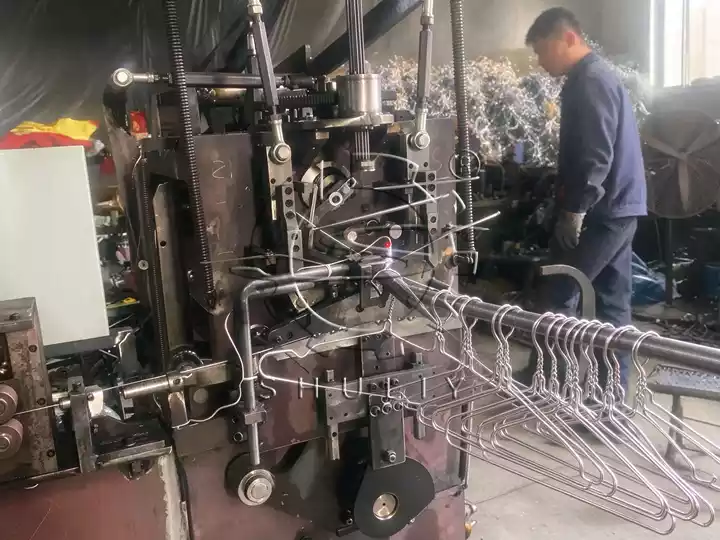
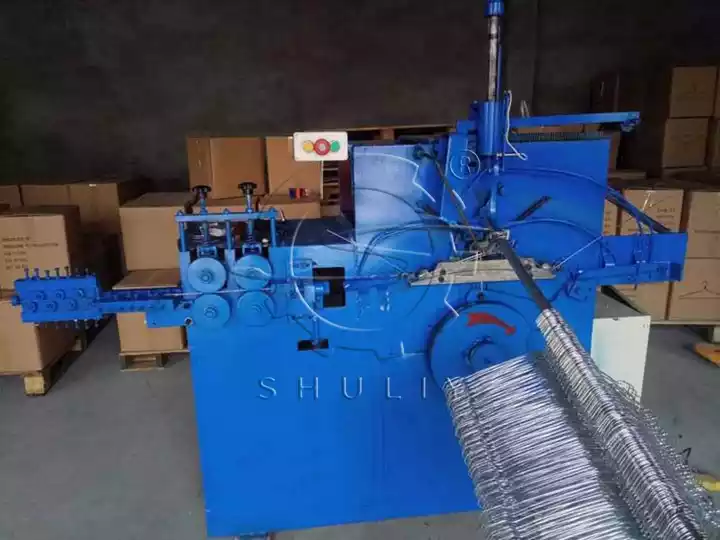
- Straightening Conveying System: Multiple closely connected rollers that straighten and feed wire into the forming area
- Hanger Forming System: Consists of the baffle (determines hanger length), mold (shapes the hanger), and synchronous torsion bar (forms the hook)
- Hanger Storage System: Collects finished hangers automatically as they slide down crossbars
Most troubleshooting scenarios involve one of these three systems. Identifying which component is causing your issue is the first step toward an effective solution.
Category 1: Wire Feeding Issues (Issues 1-5)
Issue 1: Wire Not Feeding Straight
Symptoms: Wire arrives at the forming die at an angle, causing skewed hangers or frequent jams.
Root Causes:
- Worn or damaged straightening rollers
- Misaligned roller positioning
- Incorrect roller pressure settings
Solutions:
- Inspect all straightening rollers for visible wear patterns—replace any rollers showing flats or grooves
- Check roller alignment using a straightedge; adjust until all rollers are parallel
- Increase roller pressure gradually (typically 2-3 turns clockwise on adjustment screws) until wire feeds properly
- Verify wire coil condition—damaged or kinked wire incoming will never feed straight
Issue 2: Wire Skipping or Jumping During Feeding
Symptoms: Intermittent feeding where wire advances unevenly or skips teeth on the feeding mechanism.
Solutions:
- Reduce wire feeding speed by 15-20% to see if skipping stops—this indicates insufficient motor torque for current speed
- Clean feeding gears and sprockets thoroughly; accumulated debris causes slippage
- Check tension on feeding chain or belt—replace if stretched beyond adjustment range
- Verify wire diameter matches machine specifications; oversized wire will skip
Issue 3: Wire Bending or Buckling Before Forming
Symptoms: Wire compresses and bends sideways before reaching the forming die.
Solutions:
- Decrease roller pressure significantly—too much pressure causes wire compression
- Increase distance between final straightening roller and forming die entry point
- Verify wire tensile strength is within machine specifications
- Add a guide tube between straightener and former if gap is too large
Issue 4: Excessive Wire Scraping or Wear on Rollers
Symptoms: Visible marks on wire surface after passing through straightener; metal filings accumulating.
Solutions:
- Reduce roller pressure—excessive contact force causes abrasive wear
- Lubricate rollers with light machine oil if specifications permit
- Check for debris caught between roller surfaces
- Inspect roller surfaces for roughness—replace worn rollers
Issue 5: Wire Coil Tangle Jams at Pay-Off
Symptoms: Wire bunches up at the unwinding stage, causing immediate jamming.
Solutions:
- Install a wire straightening disc at the pay-off point
- Ensure pay-off motor speed matches wire feeding speed
- Check brake tension on pay-off stand—too loose causes loops, too tight causes tensile stress
- Use wire binding rings every 50kg to prevent loose loops in storage
Category 2: Hanger Forming Defects (Issues 6-10)
Issue 6: Inconsistent Hanger Length
Symptoms: Finished hangers vary in overall length beyond acceptable tolerance (±2mm).
Solutions:
- Adjust the baffle position—this component controls wire cut length. Small adjustments (0.5-1mm increments) directly affect hanger size
- Check baffle mounting bolts for looseness; vibration causes gradual misalignment
- Verify wire diameter consistency—variation in raw material causes length fluctuation
- Clean the baffle sensor (if equipped) as accumulated debris can affect cut accuracy
- Calibrate the measuring sensor according to machine manual
Issue 7: Hook Not Forming Properly or Asymmetrical
Symptoms: Hook portion of hanger is bent, twisted, or doesn’t match the standard shape.
Solutions:
- Inspect the synchronous torsion bar for wear or damage—bent bars cause irregular hook shapes
- Check torsion bar spring tension; weak springs cause incomplete hook formation
- Verify mold alignment with the forming path—misaligned molds cause twisting
- Lubricate pivot points on the hook forming mechanism
- Replace worn or damaged forming pins
Issue 8: Hanger Tail Loose or Detaching
Symptoms: The wire tail that wraps around the hook portion is loose, unwrapped, or completely detached.
Solutions:
- Increase synchronous torsion bar spring tension—this provides more rotational force to wrap the tail tightly
- Check that torsion bar rotation mechanism moves freely without binding
- Verify wire is within specified diameter range—too thin wire cannot hold wrap tension
- Inspect and replace any worn components in the tail-twisting mechanism
Issue 9: Hanger Shape Distorted or Twisted
Symptoms: Finished hangers appear crooked, have uneven shoulders, or twisted main body.
Solutions:
- Replace worn or damaged hanger molds—molds degrade over time and lose precise geometry
- Check for proper alignment between upper and lower mold halves
- Verify that mold clamping force is adequate; loose molds cause shifts during forming
- Inspect the main machine frame for looseness or worn bearings
- Ensure wire straightness before entry—pre-formed wire entering the mold creates twisted products
Issue 10: Surface Scratches or Marks on Finished Hangers
Symptoms: Visible scratches, scuffs, or die marks appear on hanger surfaces.
Solutions:
- Polish or replace the hanger mold if surface finish has degraded
- Check for burrs or sharp edges on any forming components that contact the wire
- Verify proper lubrication of forming mechanism where metal-to-metal contact occurs
- Clean accumulated debris from mold cavity
- Adjust forming speed—too fast causes impact marks
Category 3: Production Speed Problems (Issues 11-14)
Issue 11: Machine Not Reaching Rated Production Speed
Symptoms: Output is significantly below the specified 25-40 hangers per minute (or machine’s rated capacity).
Solutions:
- Check for mechanical binding—manually rotate the machine through one cycle to feel for obstructions
- Verify hydraulic system pressure is at specification (typically 8-12 MPa for high-speed hanger machines )
- Inspect electrical drive system for fault codes or reduced power output
- Clean and lubricate all pivot points and bearing surfaces
- Review operating procedure—speed may be limited by improper material loading or machine setup
Issue 12: Intermittent Unexpected Slowdowns
Symptoms: Machine randomly slows during production, then resumes normal speed.
Solutions:
- Check for overheating components—thermal overload protection may be activating intermittently
- Verify electrical connections are secure; loose connectors cause intermittent power delivery
- Clean sensors and prox switches—dirt on sensing surfaces causes false signals
- Review error logs in PLC control system if available
- Monitor for hydraulic fluid overheating causing temporary pressure drops
Issue 13: Sudden Complete Stop During Operation
Symptoms: Machine stops abruptly with no apparent cause, requiring manual reset.
Solutions:
- Check all safety interlock switches—door sensors, emergency stops, and overload trips
- Review motor drive fault history for overcurrent or voltage protection trips
- Inspect for tripped circuit breakers or blown fuses in control cabinet
- Verify hydraulic system hasn’t experienced catastrophic failure (massive pressure loss)
- Examine wire path for complete blockage causing drive system to stall and trigger protection
Issue 14: Speed Inconsistent Between Production Cycles
Symptoms: Each hanger is produced at a slightly different rate, creating uneven output timing.
Solutions:
- Calibrate the machine’s cycle timing system
- Replace worn cam, timing belt, or chain that governs cycle rhythm
- Check PLC timing parameters and sensor responses
- Verify consistent air pressure if machine uses pneumatic components
- Replace encoder or resolver if speed feedback shows irregular signals
Category 4: Electrical and Hydraulic System Issues (Issues 15-17)
Issue 15: Hydraulic System Failing to Build Pressure
Symptoms: Hydraulic press components move slowly or with insufficient force; production quality suffers.
Solutions:
- Check hydraulic fluid level and top up if below minimum mark
- Inspect hydraulic filters and replace if clogged (filters should be changed every 500-1000 operating hours)
- Listen for pump cavitation, which includes unusual noise and erratic pressure
- Check for hydraulic leaks around seals and fittings
- Verify pump rotation direction is correct (incorrect rotation causes no flow)
- Test relief valve adjustment—if pressure cannot reach specification, valve may need replacement
Issue 16: Electrical System Random Failures or Faults
Symptoms: Control system trips unexpectedly, sensors give false readings, or PLC behaves erratically.
Solutions:
- Measure supply voltage at the control cabinet—it should be within ±10% of rated value
- Check grounding system for proper connections; poor grounding causes electrical noise
- Inspect all terminal connections and tighten any loose wires
- Replace batteries in PLC or other memory devices if voltage has dropped
- Install line filters if electrical noise from other equipment is suspected
- Check for condensation or moisture in electrical enclosures
Issue 17: Motor Overheating or Shutting Down
Symptoms: Motor case is hot to touch, thermal overload trips frequently, or visible smoke/deformation.
Solutions:
- Verify cooling fans or heat sinks are clean and functioning
- Check motor load—overheating often indicates mechanical binding or excessive production speed
- Measure current draw and compare to motor nameplate rating
- Ensure motor ventilation passages are clear of dust and debris
- Verify ambient temperature around motor is within design limits
- A motor drawing consistently over 105% of rated current needs immediate investigation
Category 5: Maintenance and Prevention (Issues 18-20)
Issue 18: Excessive Vibration During Operation
Symptoms: Machine vibrates excessively, causing noise, premature wear, or poor quality output.
Solutions:
- Check and replace worn bearings—bearing failure is the most common cause of vibration
- Verify machine is level on floor—uneven mounting causes vibration
- Inspect all fasteners and tighten any loose bolts on motor, flywheel, or forming mechanism
- Balance rotating components if wear has caused imbalance
- Check for loose or damaged belt guards and covers that may be resonating
- Ensure all protective covers are properly secured
Issue 19: Rust and Corrosion on Machine Components
Symptoms: Corrosion appearing on machine surfaces, forming dies, or structural components.
Solutions:
- Identify and eliminate moisture sources—check for water leaks, condensation, or humidity issues
- Clean existing corrosion with wire brush, then apply rust converter and primer
- Use food-grade machine oil to coat exposed metal surfaces in humid environments
- Consider installing dehumidifier in the production facility
- Replace severely corroded components that have lost structural integrity
- Apply protective wax or rust preventative to machine frame monthly in corrosive environments
Issue 20: Premature Component Wear and Failure
Symptoms: Parts that should last years are failing within months; frequent replacement of rollers, molds, or bearings.
Solutions:
- Implement daily lubrication schedule per machine manual
- Verify operating environment is within temperature/humidity specifications
- Analyze wire material compatibility—galvanized, PVC-coated, and stainless steel wire wear components differently
- Review production logs to identify if certain shifts have higher failure rates (might indicate operator technique issues)
- Use only manufacturer-approved replacement parts—aftermarket parts may have inferior metallurgy
- Consider upgrading to hardened or carbide components if running three-shift operations
Preventive Maintenance Schedule: Keep Your Machine Running
Prevention is always more cost-effective than repairs. Follow this maintenance schedule to minimize unexpected downtime:
| Frequency | Maintenance Task |
|---|---|
| Daily | Lubricate moving parts, check wire tension, verify safety interlocks, clean work area |
| Weekly | Inspect rollers for wear, check belt tension, verify hydraulic fluid level, clean sensors |
| Monthly | Replace hydraulic filters, check electrical connections, lubricate bearings, inspect molds |
| Quarterly | Full system inspection, replace worn parts, calibrate timing, check motor current draw |
| Annually | Complete overhaul including seals, bearings, belts, and critical wearing components |
When to Call Professional Service
While many issues can be resolved with proper diagnosis and basic tools, certain problems require professional intervention:
- Hydraulic system overhauls or major component replacement
- PLC programming changes or control system upgrades
- Motor rewinding or replacement
- Structural frame repair or realignment
- Welding or machining of critical components
Shuliy offers comprehensive technical support for all hanger machine models , including remote diagnostics and on-site service visits. Keep your local dealer’s contact information readily available for emergencies.
For operators running complete hanger production lines , we recommend scheduling annual professional inspections to ensure all downstream equipment (powder coating systems, dryers, packaging machinery) remains synchronized with your forming machines.
Conclusion
Understanding your hanger machine’s three core systems—straightening, forming, and storage—allows you to quickly diagnose most common issues. Keep this troubleshooting guide accessible near your production floor, and train all operators on the basic procedures outlined here.
Remember: consistent quality output depends on consistent machine condition. Implement the preventive maintenance schedule, address issues promptly when they arise, and your hanger manufacturing operation will deliver reliable production for years to come.
Need assistance diagnosing a specific issue? Contact our technical support team with details about your machine model and the symptoms you’re experiencing. Our specialists can help troubleshoot complex issues and recommend appropriate repair procedures.
{“questions”:[{“question”:“What are the most common hanger machine problems?”,“answer”:“The most common problems include wire feeding issues (wire not feeding straight, skipping, or buckling), hanger forming defects (inconsistent length, hook problems, distorted shapes), production speed issues (not reaching rated speed, unexpected slowdowns), and premature component wear. Regular maintenance can prevent most of these issues.”},{“question”:“How do I fix wire feeding problems in my hanger machine?”,“answer”:“Wire feeding problems are typically resolved by adjusting roller pressure, checking roller alignment, cleaning feeding gears, verifying wire diameter matches specifications, and ensuring the pay-off system provides consistent tension. Start with the simplest fixes (cleaning and pressure adjustment) before replacing components.”},{“question”:“Why is my hanger machine producing inconsistent hanger lengths?”,“answer”:“Inconsistent hanger length is usually caused by baffle misalignment or looseness. The baffle controls wire cut length. Check baffle mounting bolts, clean the baffle sensor if equipped, verify wire diameter consistency, and recalibrate the measuring sensor. Worn components may need replacement.”},{“question”:“How often should I perform maintenance on my hanger machine?”,“answer”:“Daily: lubrication and basic inspection. Weekly: filter checks and sensor cleaning. Monthly: filter replacement and electrical connection checks. Quarterly: full system inspection and calibration. Annually: complete overhaul including seals, bearings, and critical wearing components.”},{“question”:“What causes hooks to form improperly on wire hangers?”,“answer”:“Improper hook formation is typically caused by a worn or damaged synchronous torsion bar, weak spring tension, misaligned molds, or lack of lubrication on pivot points. Inspect the torsion bar assembly, check spring tension, verify mold alignment, and lubricate all pivot points in the hook forming mechanism.”},{“question”:“How can I reduce hanger machine downtime?”,“answer”:“Reduce downtime by implementing a preventive maintenance schedule, training operators on basic troubleshooting, keeping spare parts inventory (rollers, filters, sensors), addressing issues immediately when they appear, and scheduling annual professional inspections. Document all issues and repairs to identify patterns.”},{“question”:“Why is my hydraulic hanger machine not building pressure?”,“answer”:“Hydraulic pressure problems are usually caused by low fluid levels, clogged filters, hydraulic leaks, incorrect pump rotation, or faulty relief valves. Check fluid level first, then inspect filters, look for visible leaks, verify pump rotation direction, and test relief valve pressure settings.”},{“question”:“What wire specifications affect hanger machine performance?”,“answer”:“Wire specifications that affect performance include diameter (must match machine specs, typically 1.8-3mm), tensile strength, material type (galvanized, stainless steel, PVC-coated), and surface condition. Using wire outside specifications causes feeding problems, forming defects, and premature component wear.”},{“question”:“How do I troubleshoot production speed issues?”,“answer”:“First verify the machine is capable of rated speed in theory, then check for mechanical binding, verify hydraulic pressure, inspect electrical drive for faults, clean and lubricate all components, and review operating procedures. Speed reduction is often a symptom of underlying mechanical or hydraulic problems.”},{“question”:“When should I replace hanger machine molds?”,“answer”:“Replace molds when they show visible wear patterns, produce consistently defective hangers despite adjustments, have damaged or corroded surfaces, or have lost their original geometry. Quality molds properly maintained can produce 1-3 million hangers before requiring replacement.”}]}
Categories: Wire Hanger Machine | High-Speed Hanger Machine | Clothes Hanger Making Machine